Understanding Mechanical Switch Types
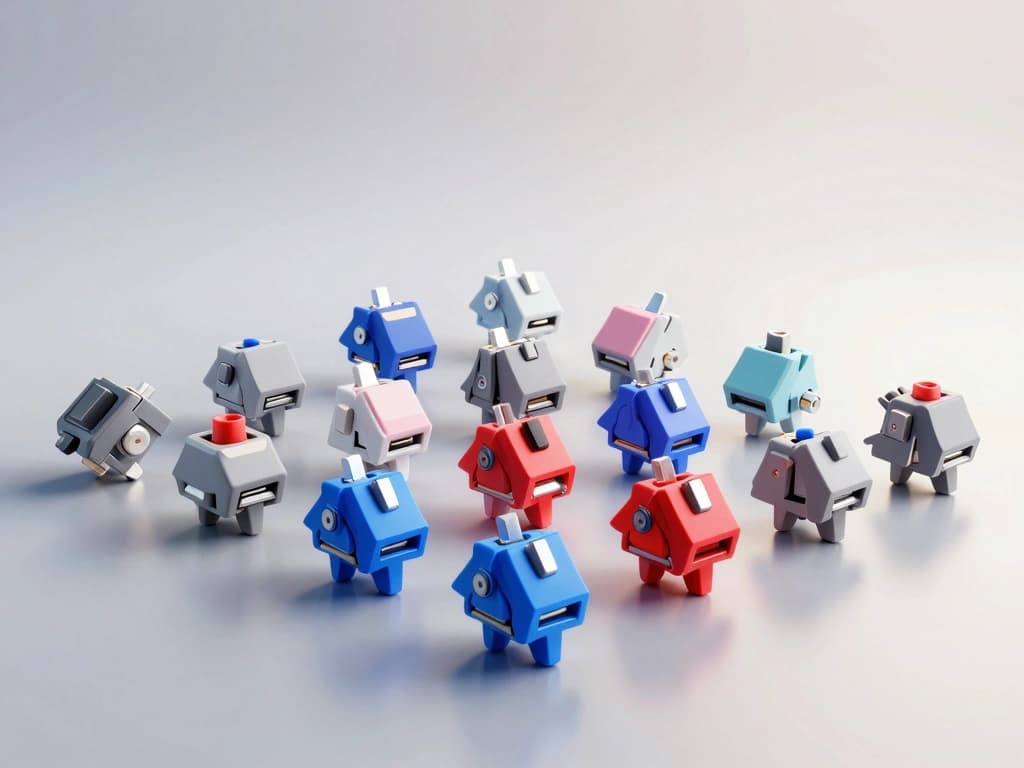
When it comes to mechanical keyboards, the type of switch used can significantly affect the typing experience. Each switch type offers unique characteristics that cater to different preferences. For typists, understanding these differences is crucial in selecting the right keyboard. In this section, we’ll explore the primary mechanical switch types: linear, tactile, and clicky switches.
Linear Switches: Smooth and Silent
Linear switches are known for their smooth keystrokes and lack of tactile feedback. They have a consistent resistance throughout the keypress, making them ideal for users who prefer a quiet typing experience. A popular example of a linear switch is the Cherry MX Red, which has an actuation force of 45g and a total travel distance of 4mm.
Linear switches can enhance typing speed due to their lack of tactile bumps or clicking sounds, allowing typists to glide effortlessly from key to key. This smoothness can be particularly advantageous for gamers and fast typists who need to maintain a high pace without interruption.
Tactile Switches: Feedback Without the Click
Tactile switches provide a noticeable bump at the actuation point, offering tactile feedback without the noise of a click. This can help typists recognize when a key has been pressed without needing to bottom out the key, which can reduce fatigue during long typing sessions. An example of a tactile switch is the Cherry MX Brown, which has an actuation force of 45g and a tactile bump that activates at 2mm into the keypress.
Tactile switches strike a balance between quiet operation and feedback, making them suitable for office environments where noise levels are a consideration, but users still desire some form of feedback during typing.
Clicky Switches: The Classic Typist Experience
Clicky switches are designed for those who enjoy an audible click and tactile feedback with each keystroke. The sound and feel of these switches can enhance the typing experience for many users. A well-known example is the Cherry MX Blue, which features an actuation force of 50g and produces a distinct click sound at the actuation point.
For typists who appreciate the satisfaction of audible feedback, clicky switches can provide a nostalgic typing experience reminiscent of typewriters. However, their noise levels may not be suitable for shared workspaces or quiet environments.
Evaluating Switch Actuation Force
Actuation force is a crucial factor in selecting the right mechanical switch. It refers to the amount of force required to press a key down to the actuation point, where the keystroke is registered. Understanding this concept is vital for typists, as it impacts typing comfort and overall user experience.
Importance of Actuation Force for Typing Comfort
For typists, selecting a switch with the right actuation force is essential for comfort during extended use. A switch that is too heavy may lead to finger fatigue, while a switch that is too light may cause accidental key presses. Generally, switches with an actuation force between 45g and 60g are favored by typists as they provide a good balance between resistance and ease of pressing.
Comparing Light vs. Heavy Switches
- Light switches (e.g., Cherry MX Red, 45g): These switches require less force to actuate, making them suitable for fast typists who prefer minimal resistance.
- Heavy switches (e.g., Cherry MX Black, 60g): These switches demand more effort to press, which can prevent accidental key presses but may lead to discomfort during extended typing sessions.
Ultimately, the choice between light and heavy switches comes down to personal preference, typing style, and the type of tasks performed on the keyboard.
Finding the Right Balance for Extended Typing
To find the optimal actuation force, typists should consider their typing habits and typical usage scenarios. For example, if a typist spends hours writing documents or programming, a switch that balances lightness and tactile feedback, like the Cherry MX Brown, may be ideal. Testing different switches in-store or through switch testers can help users discover their preferred actuation force before making a purchase.
Noise Levels and Typing Environments
Noise levels produced by mechanical switches can significantly impact the choice of switch, especially for typists who work in shared or quiet environments. Understanding the noise characteristics of different switch types can help users select the most appropriate option for their surroundings.
Quiet Switch Options for Shared Spaces
For typists who work in open offices or shared spaces, selecting a quiet switch is crucial. Tactile switches like the Cherry MX Brown or linear switches like the Cherry MX Red are excellent choices. These switches produce minimal noise while still providing good feedback, allowing typists to work without disturbing colleagues.
Choosing Clicky Switches for Personal Use
Clicky switches, while often noisy, can be an enjoyable experience for personal use. If noise isn’t a concern, switches like the Cherry MX Blue offer satisfying auditory feedback. However, for typists who appreciate the clicky feel but want to minimize noise, alternatives such as the Kailh Box White switches provide a click sound with a more muted tone.
Sound Dampening Techniques for Any Switch
Regardless of the switch type chosen, several sound dampening techniques can reduce noise levels. These include:
- O-rings: Small rubber rings placed on keycaps can soften the impact noise when a key is bottomed out.
- Foam Dampening: Inserting foam inside the keyboard case can absorb sound and vibrations, further quieting the typing experience.
- Lubrication: Applying lubricant to switches can reduce friction and noise during key presses, enhancing the overall feel and sound.
Customizability and Switch Modifications
One of the significant advantages of mechanical keyboards is their customizability. Many typists appreciate the ability to modify their switches and keyboards to suit their preferences better.
Hot-Swappable Switches: Flexibility for Typists
Hot-swappable keyboards allow users to change switches without soldering, making it easy to test different switches or replace worn ones. This flexibility is particularly appealing for typists who want to experiment with various switch types to find their ideal fit. Keyboards like the Keychron K6 or the Glorious GMMK are popular options that offer hot-swappable capabilities.
Lube and Switch Mods for Enhanced Feel
Lubing switches can significantly enhance the typing experience. Applying a suitable lubricant can reduce scratchiness and smooth out the keypress, leading to a more enjoyable typing experience. Many enthusiasts recommend using products like Krytox or Tribosys for this purpose. Additionally, other modifications, such as swapping spring weights or applying switch films, can further improve the feel and sound of switches.
Keycap Compatibility and Aesthetic Considerations
Choosing the right keycaps is an essential aspect of customizing a mechanical keyboard. Keycap sets come in various materials, profiles, and designs, allowing typists to tailor their keyboard's aesthetics. It's crucial to ensure that keycaps are compatible with the chosen switch type and keyboard layout. Popular materials include ABS and PBT, with PBT being more durable and resistant to wear.
Switch Longevity and Durability
Durability is a key consideration for typists who plan to use their keyboards extensively. Mechanical switches are generally known for their longevity, but specific factors can affect their lifespan.
Understanding Switch Lifespan Ratings
Most mechanical switches come with a lifespan rating, often measured in keystrokes. For example, Cherry MX switches are rated for 50 million keystrokes, while some premium switches can go beyond that. Understanding these ratings can help typists choose switches that align with their usage patterns.
Factors Affecting Durability in Typing
Several factors can influence the durability of mechanical switches:
- Typing Technique: Heavy-handed typists may wear switches down faster than those who type lightly.
- Environmental Conditions: Dust, moisture, and temperature changes can affect switch performance over time.
- Quality of Materials: High-quality switches tend to have better longevity ratings than cheaper alternatives.
Choosing Long-Lasting Switches for Heavy Use
For typists who engage in heavy usage, opting for high-quality switches like those from Cherry, Gateron, or Kailh can ensure longevity. Additionally, regular maintenance, such as cleaning and lubricating switches, can extend their lifespan and maintain typing performance.
Conclusion
Choosing the right mechanical keyboard switch is a critical decision for typists. With various options available, understanding the differences between linear, tactile, and clicky switches, evaluating actuation forces, considering noise levels, and exploring customizability can greatly enhance the typing experience. By carefully assessing personal preferences and typing environments, one can find a mechanical keyboard that not only meets their needs but also elevates their typing experience to new heights.