What is Rabbit Gut Stasis?
Definition and Overview
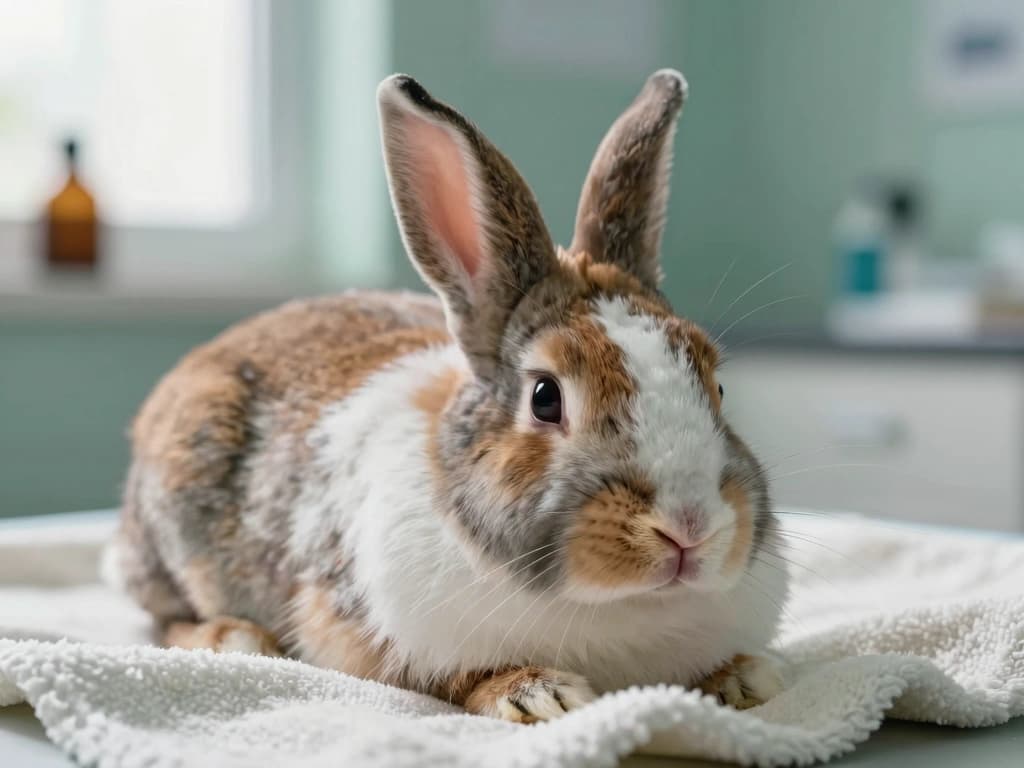
Rabbit gut stasis, commonly referred to as gastrointestinal stasis, is a serious and potentially life-threatening condition affecting the digestive system of rabbits. This condition occurs when the normal movement of the digestive tract slows down or stops entirely, leading to a buildup of gas and food within the gastrointestinal system. Rabbits, being herbivores, rely heavily on a constant supply of fiber to stimulate their digestive processes. When gut stasis occurs, the lack of movement can lead to severe complications, including pain, bloating, and even death if not treated promptly.
Causes of Gut Stasis
Several factors can contribute to the development of gut stasis in rabbits, including:
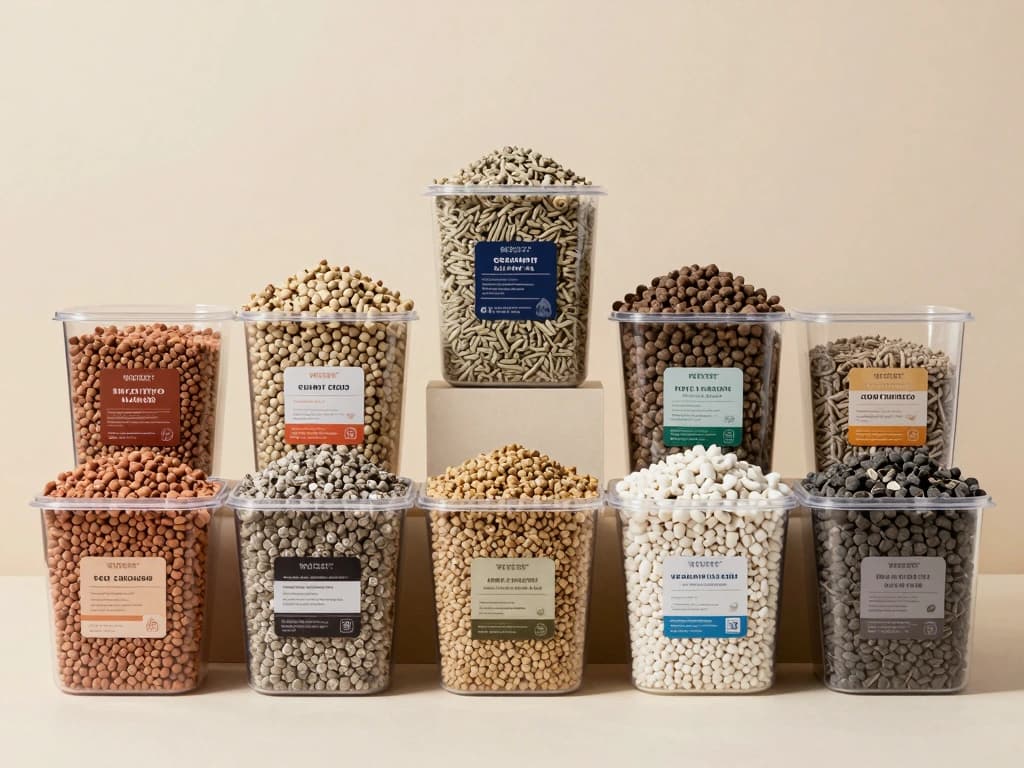
- Dietary Issues: A diet low in fiber and high in carbohydrates can disrupt normal gut motility. For instance, rabbits fed primarily on pellets without sufficient hay may be at higher risk.
- Stress: Environmental changes, such as moving to a new home or the introduction of new pets, can induce stress, which may trigger gut stasis.
- Dehydration: Rabbits require constant access to fresh water. Dehydration can slow down gut movement significantly.
- Medical Conditions: Underlying health issues such as dental problems, infections, or metabolic disorders can also contribute to gut stasis.
Common Symptoms to Watch For
Recognizing the symptoms of gut stasis early can be crucial for effective treatment. Common signs include:
- Loss of Appetite: A rabbit that suddenly refuses to eat or drink is a major red flag.
- Decreased or Absent Droppings: Pellet production may decrease, or the rabbit may stop producing fecal pellets altogether.
- Abdominal Pain: Signs of discomfort can include a hunched posture, teeth grinding, or sensitivity to touch around the abdomen.
- Bloating: An enlarged belly can indicate a buildup of gas or food in the digestive tract.
The Digestive System of Rabbits
Normal Digestive Process
The rabbit's digestive system is uniquely adapted for processing fibrous plant material. It includes a complex arrangement of the stomach, small intestine, cecum, and colon. After the rabbit consumes food, it undergoes fermentation in the cecum, where beneficial bacteria break down fibrous content, allowing for nutrient absorption. This process is crucial for maintaining gut health and preventing conditions like gut stasis.
Role of Fiber in Rabbit Diet
Fiber plays a pivotal role in maintaining a healthy digestive system for rabbits. It aids in:
- Gut Motility: High-fiber diets stimulate the movement of food through the digestive tract.
- Dental Health: Chewing fibrous materials helps wear down rabbit teeth, preventing dental overgrowth.
- Weight Management: Fiber helps maintain a healthy weight, reducing the risk of obesity-related complications.
Rabbits should have a diet consisting of at least 70% hay, such as Timothy or Orchard grass, supplemented with fresh vegetables and limited pellets.
Impact of Diet on Gut Health
Inadequate dietary fiber can have immediate effects on gut health. For example, a diet high in sugary treats or low-quality pellets can lead to gut stasis. It is essential to monitor the rabbit's diet closely and ensure they receive a balanced intake of hay, vegetables, and minimal pellets to promote a healthy digestive system.
How Gut Stasis Develops in Rabbits
Triggers for Gut Stasis
Several specific triggers can lead to the onset of gut stasis:
- Sudden Diet Changes: Abruptly changing a rabbit's diet can disrupt their digestive balance and lead to stasis.
- Inactivity: Rabbits are naturally active creatures; lack of exercise can slow down digestion.
- Illness: Any underlying health issues, such as infections or pain from dental problems, can trigger gastrointestinal stasis.
Recognizing Early Signs
Being vigilant in observing your rabbit's behavior and eating habits can help in recognizing early signs of gut stasis:
- Any changes in eating habits should be monitored closely, including reduced hay intake.
- Changes in behavior, such as increased lethargy or hiding, can indicate distress.
- Regularly check for droppings; any significant decrease in production warrants immediate veterinary consultation.
Complications from Delayed Treatment
If treatment for gut stasis is delayed, several complications may arise:
- Severe Pain: As gas builds up, the rabbit may experience significant discomfort.
- Gastrointestinal Blockages: Accumulated food and gas can cause blockages, which are surgical emergencies.
- Systemic Shock: Prolonged stasis can lead to severe dehydration and systemic shock, which can be fatal without immediate intervention.
Consequences of Untreated Gut Stasis
Risk of Dehydration
Dehydration is a significant risk for rabbits suffering from gut stasis, primarily due to reduced water intake and the inability to absorb fluids effectively from the gastrointestinal tract. Signs of dehydration can include:
- Dry mouth and nose
- Sunken eyes
- Skin tenting: Skin that does not return to its normal position when pulled can indicate dehydration.
Severe dehydration can lead to kidney failure and ultimately death if not promptly treated.
Potential for Intestinal Blockages
Another severe consequence of untreated gut stasis is the risk of intestinal blockages. When food and gas accumulate, they can obstruct the intestinal tract, leading to:
- Severe pain and discomfort
- Potential rupture of the intestine, which is a life-threatening condition requiring emergency surgery
- Sepsis, if bacteria from the gut enter the bloodstream due to perforation
Long-term Health Effects
Even if a rabbit recovers from gut stasis, there can be long-term health effects. These may include:
- Chronic digestive issues, including recurring episodes of stasis
- Weight loss or failure to thrive due to ongoing dietary restrictions
- Increased susceptibility to other health problems, such as dental disease or obesity
Treatment and Prevention Strategies
Immediate Care for Affected Rabbits
If you suspect your rabbit is suffering from gut stasis, immediate veterinary care is crucial. Treatment may include:
- Fluid Therapy: Administering fluids subcutaneously or intravenously to combat dehydration.
- Medications: Pain relief and prokinetics (medications that enhance gut motility) may be prescribed.
- Dietary Changes: Introduction of high-fiber foods and encouragement to eat hay to stimulate digestion.
Dietary Adjustments for Prevention
Preventing gut stasis requires a proactive approach to your rabbit's diet and overall health. Key strategies include:
- Ensuring a consistent supply of fresh hay, such as Timothy hay or Meadow hay, which should make up 70-80% of their diet.
- Offering a variety of leafy green vegetables daily, such as romaine lettuce, cilantro, and parsley.
- Limiting high-carb pellets to small amounts and avoiding sugary treats entirely.
Regular Health Monitoring and Vet Visits
Routine veterinary check-ups are paramount in maintaining your rabbit's health. Vets can check for:
- Dental issues that may predispose a rabbit to gut stasis.
- General health assessments including weight checks and hydration levels.
- Advice on dietary needs based on the rabbit’s age, weight, and health history.
Regular monitoring and early detection of any changes can significantly reduce the risk of developing life-threatening conditions like gut stasis.